.png)
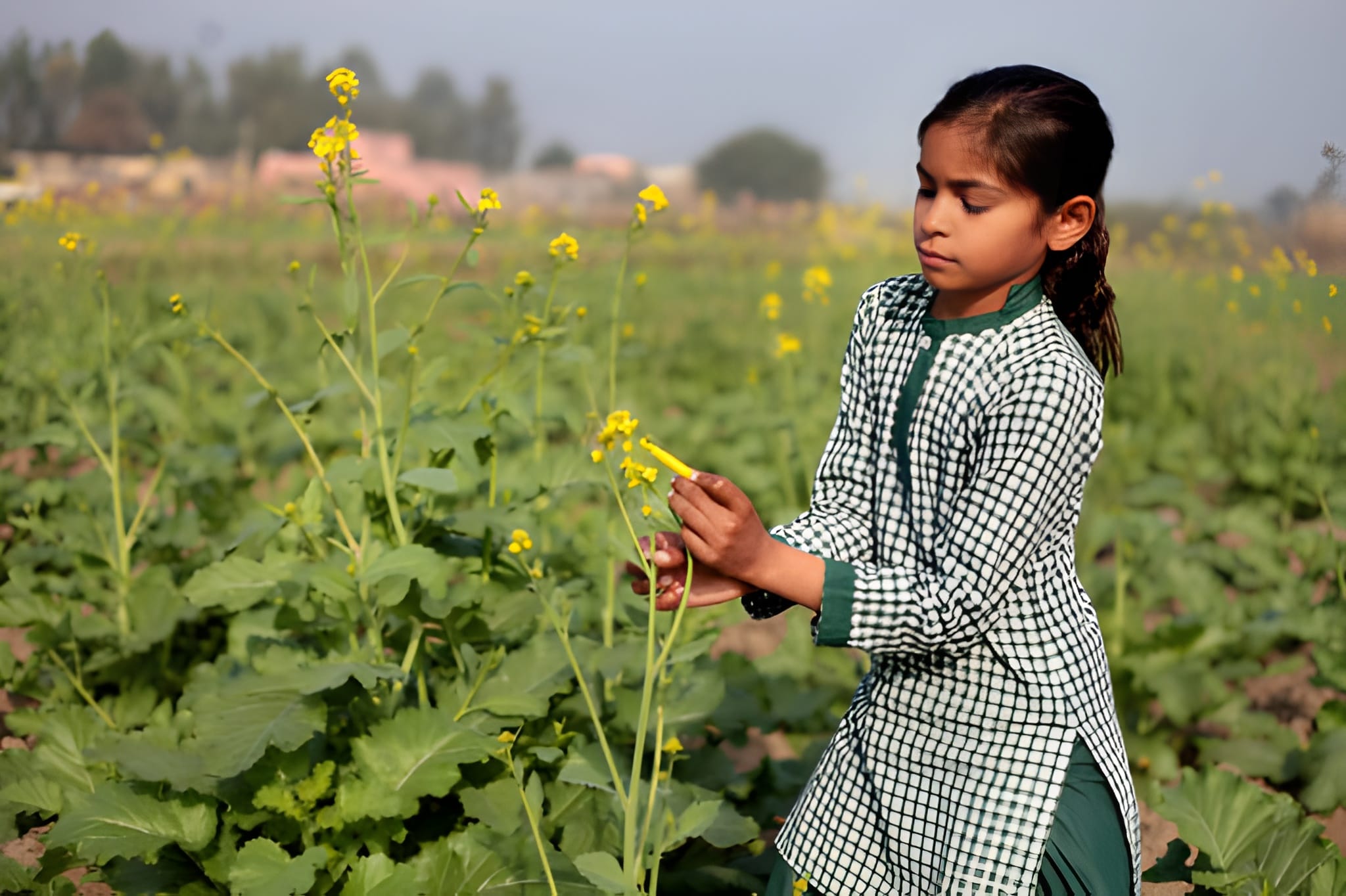
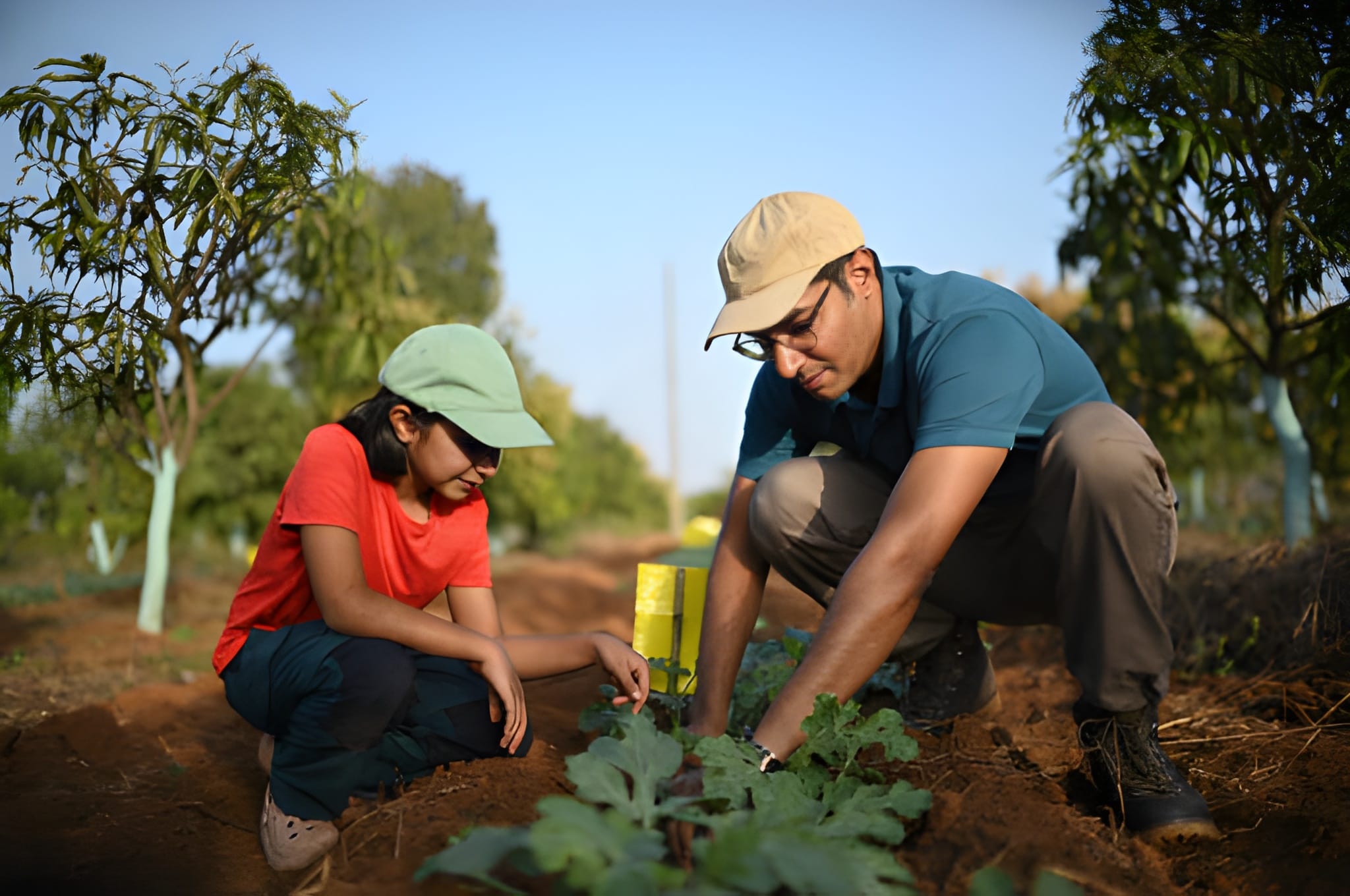
Not long ago, many saw agriculture as old-fashioned work, tied to seasons and hard manual labor. Today things are changing fast. Farming is becoming dynamic, tech-enabled, and creative. Young people are discovering agriculture not just as a fallback, but as a path full of opportunity.
With climate change, rising food demand, digital tools, agri-business models, and organic and sustainable farming in focus, agriculture is once again an exciting, modern, and meaningful career. What was once a second choice is becoming a first for many.
Youth Involvement
Young farmers, agri-entrepreneurs, and innovators are leading this green revolution.
Abhishek Reddy, 25, left a high-paying corporate job to return to his roots in sustainable farming in Manali. He cultivates mangoes, guava, and jackfruit using permaculture methods. He also uses social media, with over 750,000 followers, to educate city youth about sustainable farming—building both income and awareness.
Milan Singh Vishwakarma, a 12th-pass farmer from Chhattisgarh, runs lac farming on a 26-acre farm and earns about ₹8 lakh per year, combining this with pulses, vegetables, and oilseeds to stabilize income.
Students in Odisha invented a solar-powered multifunctional agriculture machine capable of threshing, grain separation, straw cutting, winnowing, and bag stitching, with a capacity of up to 250 kg per hour. It is cost-effective for medium and small farmers and shows how ideas from school or college projects can become real tools for farming.
These stories show youth combining technology, traditional knowledge, purpose, and profit. They are proof that agriculture can be a creative, impactful career for people of many backgrounds.
Educational Pathways
To support this interest, new courses, apprenticeships, and skill programs are growing rapidly.
India has about 74 agricultural universities, including 63 State Agricultural Universities (SAUs), 4 ICAR-deemed universities, 3 central agricultural universities, and several central universities with agriculture faculties. These offer degrees in agriculture, horticulture, animal sciences, food technology, agribusiness, and other allied subjects.
Colleges are seeing rising enrollment. For example, in one recent year, the number of applications across agricultural universities jumped to nearly 5 lakh applicants from typical norms of 80,000–1,00,000. The share of female students is rising too, reaching nearly 49% in some admissions.
At Tamil Nadu Agricultural University (TNAU), there are multiple programs including B.Sc in Agriculture, Horticulture, Forestry, and Sericulture; and B.Tech in Agricultural Engineering and Agricultural Information Technology. Postgraduate options (masters, PhD) are also growing.
Apprenticeships, workshops, and extension training via Krishi Vigyan Kendras (KVKs) link education with real farm action. There are about 731 KVKs in India that help farmers apply modern research and techniques.
These avenues mean the new generation can gain formal education, hands-on skills, tech fluency, and business knowledge. They can choose roles such as agronomist, researcher, farm manager, sustainable farming consultant, agritech startup founder, and more.
Community Vision
Imagine villages where youth are not leaving in search of jobs. Instead, they build careers locally, improve farming yields, use clean water, maintain healthy soil, adopt sustainable practices, add value to produce, host visitors, and share knowledge.
When young people drive change, farms adopt sustainable methods such as organic farming, agroforestry, and precision farming using sensors, drones, and IoT. Local ecosystems benefit with better soil, less chemical run-off, and more biodiversity. Profitability rises through value-added processing, branding, and direct sales instead of selling raw produce cheaply. Local skills are passed on between older farmers and young ones, technologies spread, and new market ideas flourish.
This builds a green career revolution that is rooted in community first—not just profit, but environment, health, and livelihood.
How Agrihar Helps
Agrihar’s mission is to uplift farmers and the youth by creating passive income sources and enabling platforms.
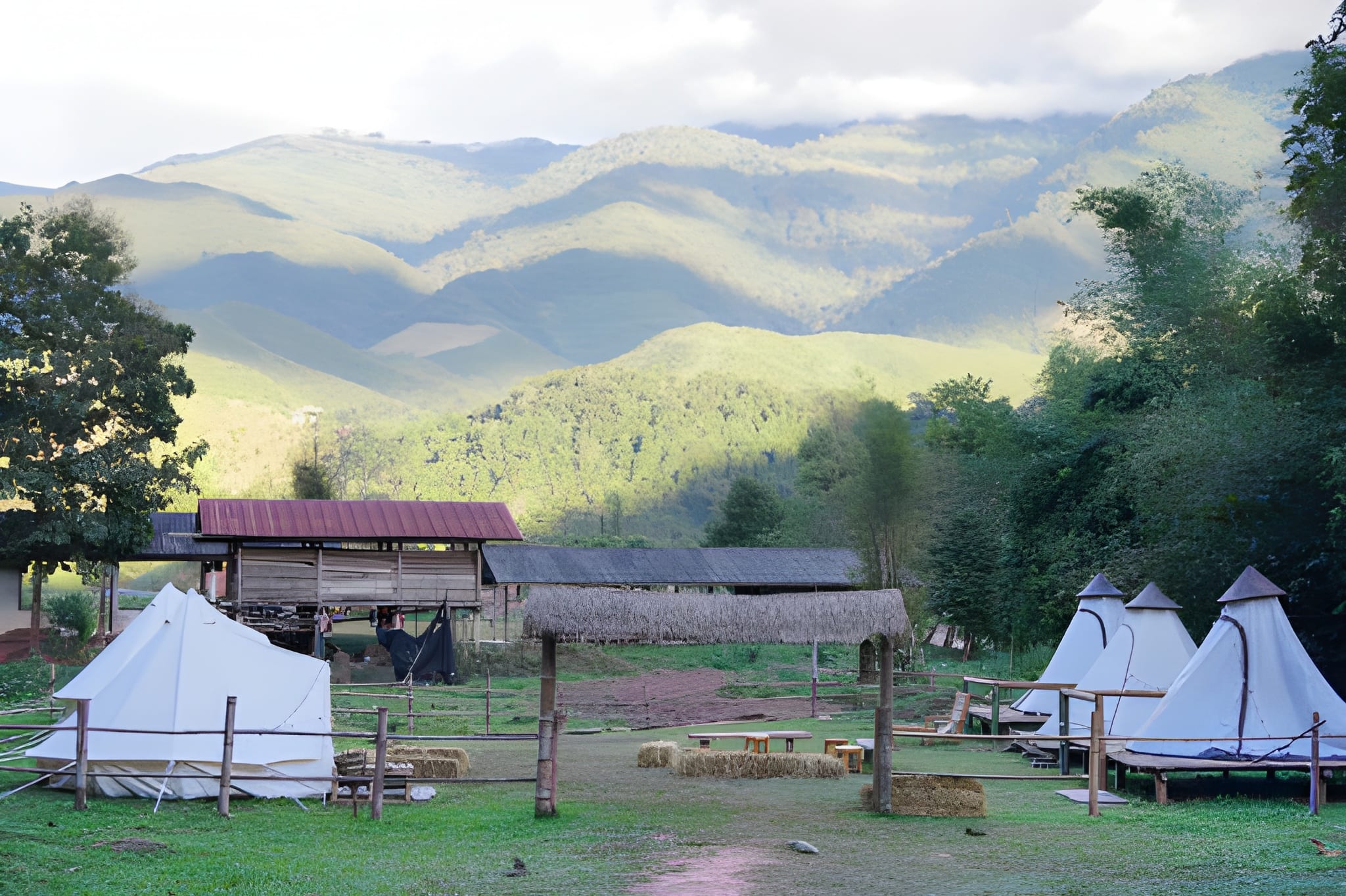
Farm stays and agro-tourism are one way. Farm owners can host guests and city people seeking a connection with nature. Agrihar helps with promotion, guest services, and setting up basic facilities, providing an income stream that runs even when you are not farming.
Workshops and knowledge sharing are another. If you are skilled in organic farming, beekeeping, dairy farming, or value addition, you can host workshops. Trainers and farmers alike benefit, and Agrihar helps you reach people who want to learn.
Agrihar provides a platform to showcase skills and produce. Farmers can use its network to brand organic products, get direct customers, and reduce middlemen, increasing visibility and prices.
Youth entrepreneurship is also supported. Agrihar encourages young people to start agritech ventures, eco-tourism projects, or sustainable farming initiatives, offering guidance, connections, and sometimes investment or partnerships.
If you are young, curious, and ready to try something new, consider agriculture as more than growing crops. It can combine technology, business, community, and environmental impact.
Explore courses, talk to young farmers who are already doing it, and use platforms like Agrihar to host guests, hold workshops, and brand your produce. If you have land, skill, or energy—step forward.
The green career revolution is waiting. Join in. Bring change. Be part of a future where farming is respected, profitable, sustainable, and driven by you.