.png)
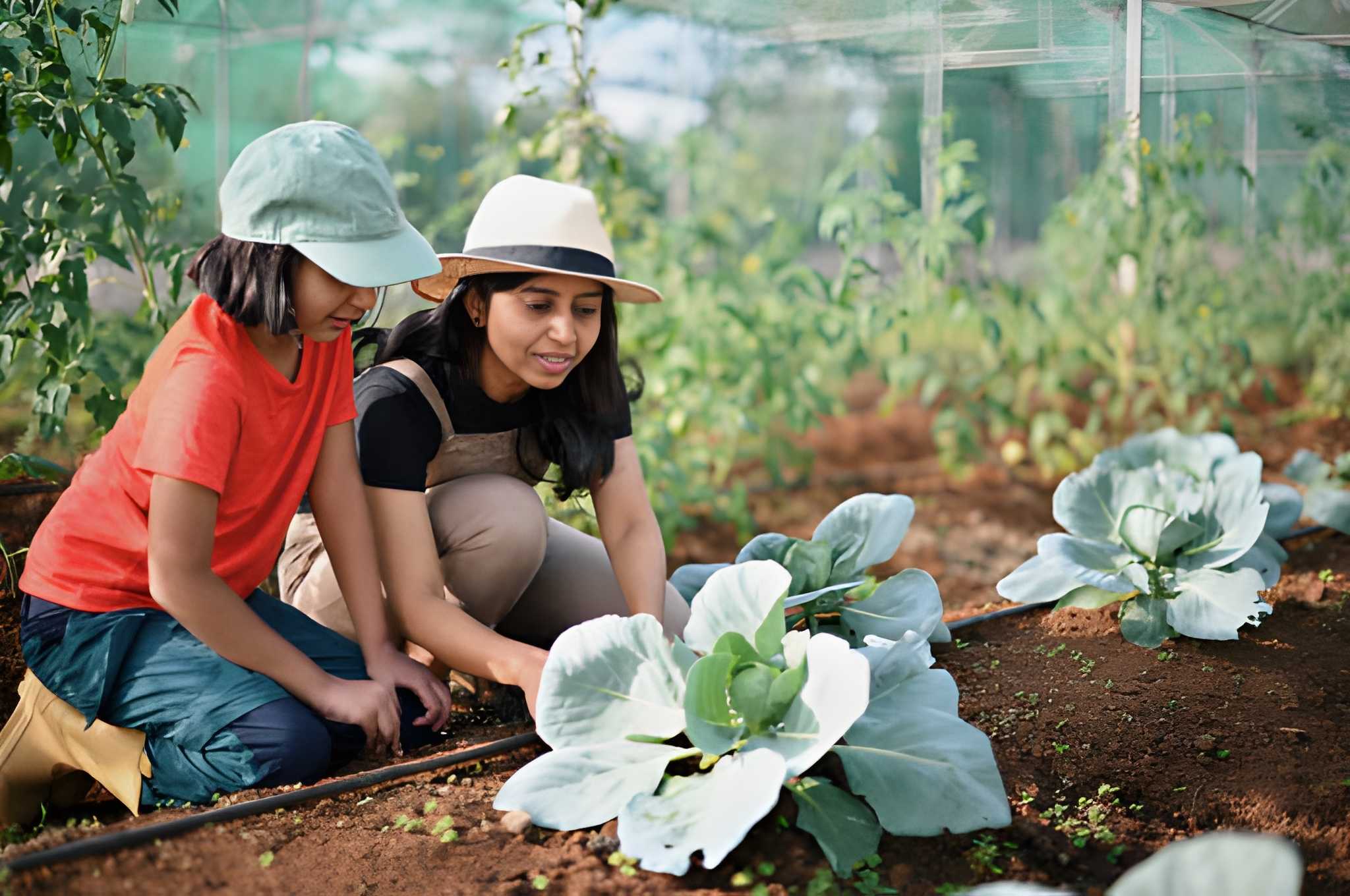
In a world increasingly moving toward sustainable and conscious food choices, farming fresh vegetables has become more important than ever. The cauliflower plantation activity captured in this moment reflects a meaningful connection between people and the soil, where care, knowledge, and dedication come together to nurture healthy produce from the ground up.
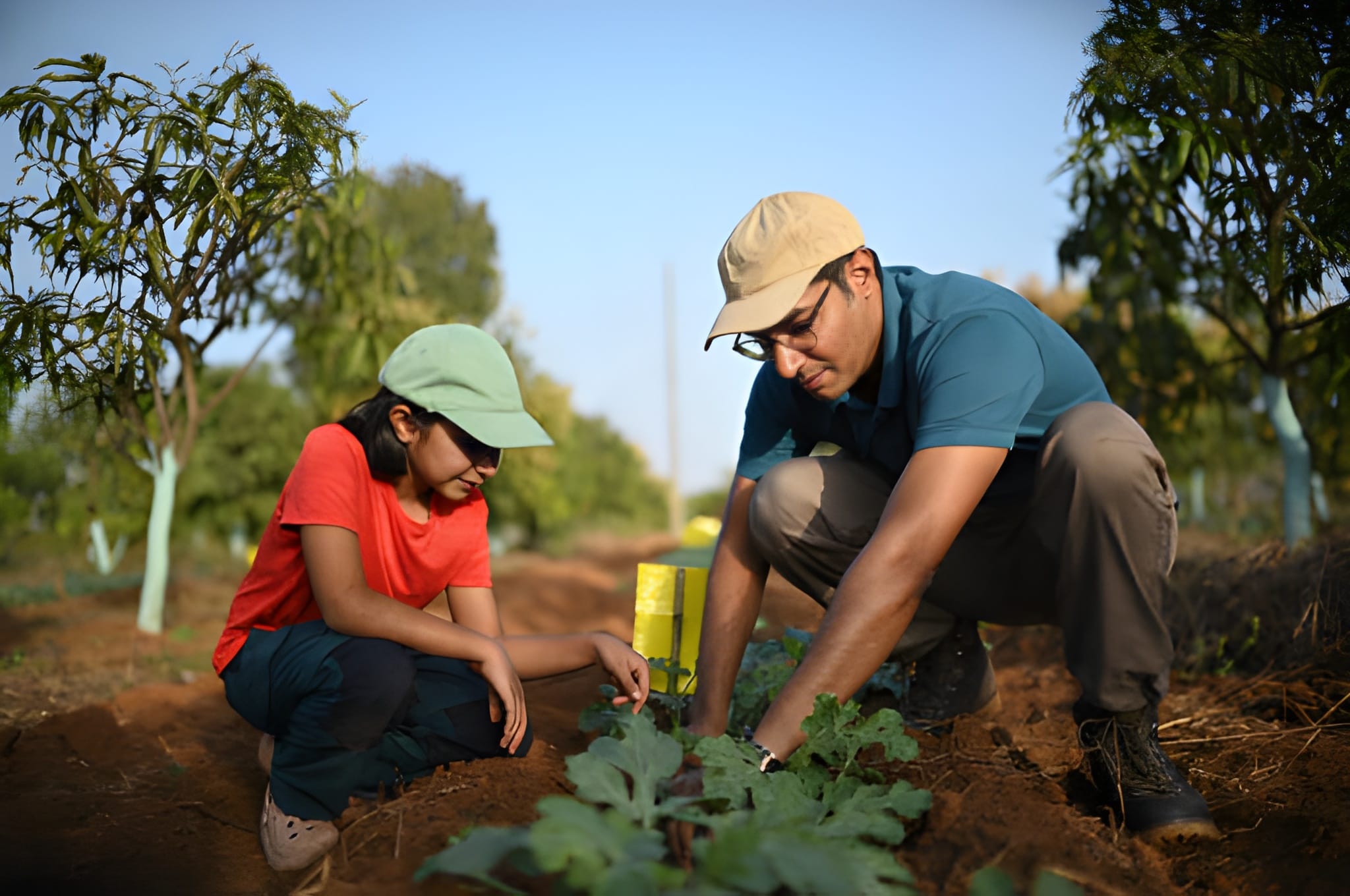
This plantation initiative showcases a practical approach to vegetable farming, highlighting the importance of responsible cultivation practices and the commitment required to grow nutritious crops. With protective gear, careful handling, and focused attention, the participants demonstrate how modern farming blends tradition with awareness and precision.
Understanding the Importance of Cauliflower Cultivation
Cauliflower is a highly valued vegetable known for its nutritional benefits and versatility in cooking. Rich in vitamins, fibre, and antioxidants, it plays a significant role in promoting healthy diets. Cultivating cauliflower requires a well-prepared soil bed, timely planting, and consistent care, making it a crop that teaches patience and precision.
Through this plantation activity, participants gain firsthand insight into the lifecycle of cauliflower — from sapling stage to full harvest. It builds appreciation for the effort behind every fresh vegetable that reaches our plates.
A Process Rooted in Care and Technique
From gently placing young saplings into the soil to ensuring proper spacing and moisture levels, each step reflects thoughtful farming practice. The preparation of the land, removal of weeds, and controlled watering are essential to ensuring healthy growth and maximum yield.
This hands-on process emphasises that successful cultivation is not merely about planting, but about continuous nurturing, observation, and timely intervention.
Learning Through Experience
Participating in the cauliflower plantation encourages active learning and deeper understanding. Observing plant structure, growth patterns, and soil conditions turns farming into an educational journey. It cultivates awareness about seasonal cycles, crop management, and the natural balance necessary for optimal growth.
Such exposure helps participants understand the realities of farming and the dedication that goes into producing fresh, chemical-conscious vegetables.
Promoting Sustainable Agriculture
The plantation also reflects the values of sustainable farming. Responsible use of water, organic soil enrichment, and minimal chemical intervention contribute to a healthier ecosystem. By focusing on eco-friendly practices, this initiative supports long-term soil fertility and environmental protection.
It encourages a farming culture that prioritises both productivity and sustainability.
Strengthening Teamwork and Collaboration
Beyond cultivation, this activity builds a sense of teamwork and shared purpose. Working collaboratively creates a positive environment where knowledge is exchanged and responsibilities are shared. It transforms farming into a collective journey where each individual contributes to the final outcome.
This spirit of cooperation enhances both the experience and the impact of the plantation initiative.
From Seed to Table: A Meaningful Journey
The cauliflower plantation represents the beginning of a journey that ends on dining tables. Witnessing this transformation helps participants value the food chain and respect the effort behind fresh produce. It instils a sense of gratitude and awareness that extends beyond the field.
A Step Toward Healthier Living
By actively participating in the cultivation process, individuals reconnect with the source of their food. This engagement promotes healthier lifestyle choices and reinforces the importance of natural, locally grown vegetables.
This cauliflower plantation initiative stands as a powerful reminder that every crop grown with care contributes not only to nourishment but also to environmental balance and sustainable living. It highlights how mindful farming can strengthen the bond between people, food, and nature — one plant at a time.