.png)
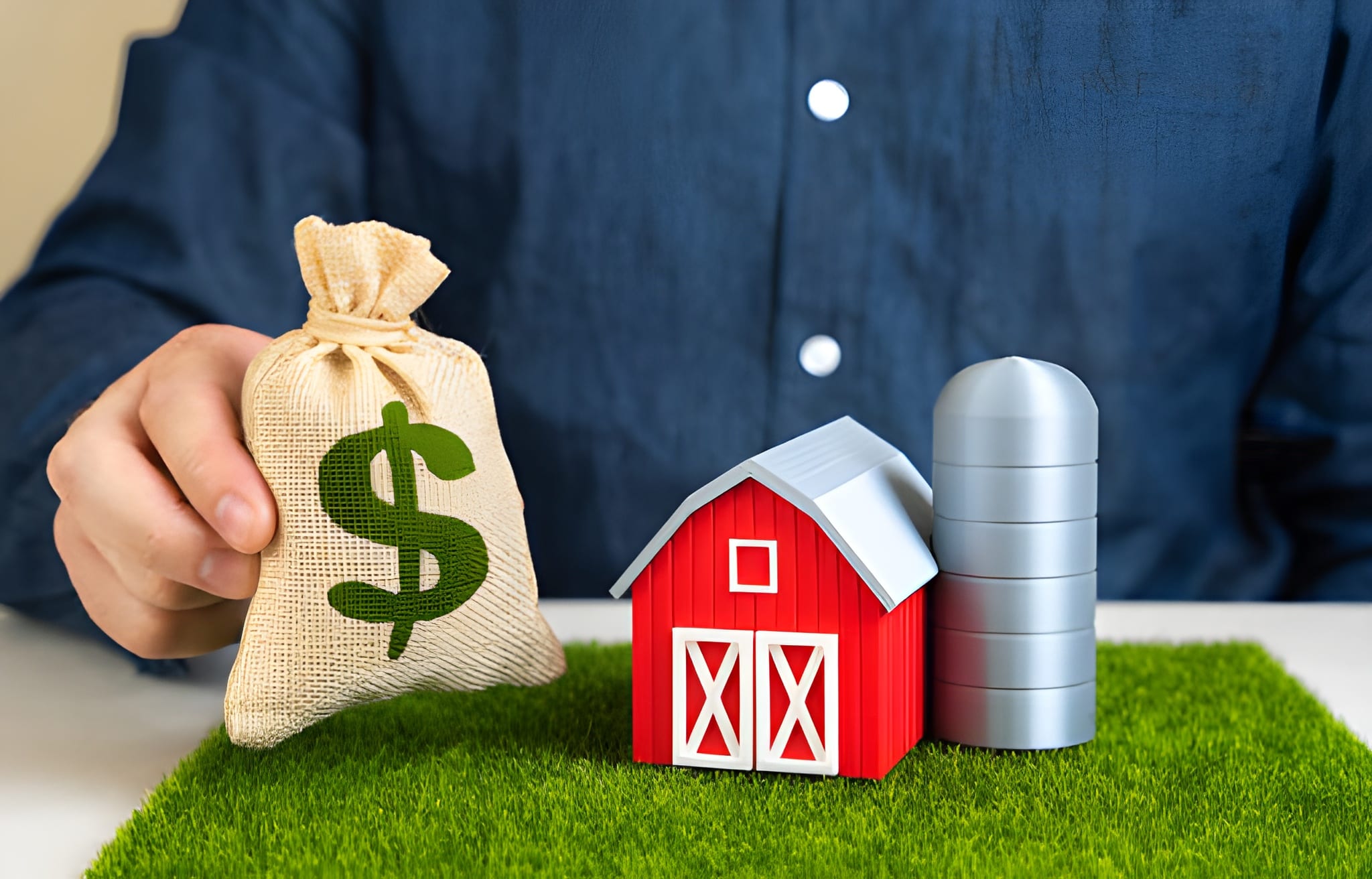
When most people think of agriculture, they think of growing crops, raising animals, or selling produce. But there is another field gaining attention among farmers, investors, and communities: agri real estate.
That means buying or owning agricultural land not only to farm it, but also as an investment; for value appreciation, leasing, or diversification. It is still a niche in many places, but growth is real.
For farmers, this opens possibilities beyond the harvest season. For investors, it offers a more stable, tangible asset. In this blog we explore what agri real estate means in India now, what the returns and risks are, what benefits farmers can draw, and why sustainable development is key.
Market Insights
Here are some recent trends, returns, and risks associated with agricultural land investment in India.
Returns & Appreciation
Farmland near developing cities is seeing higher growth in value. Some reports suggest annual appreciation rates of 8–15% for agricultural land within reasonable distance of urban infrastructure. Remote farmland tends to appreciate slower, maybe 4–6% annually.
One write-up noted that farmland investments in India in 2025 are expected to yield 9–14% returns annually, due partly to rising demand and increasing use of agri-technology.
Leasing & Rental Income
If you are not farming the land yourself, another route is to lease it. Depending on location, quality of land, and water access, leasing or renting to other farmers can generate steady income. Some reports estimate annual lease returns of ₹5,000–₹25,000 per acre in many regions, after taking account of costs.
Demand Trends
There is growing interest in agri real estate because of urban expansion, infrastructure growth, road connectivity, and the need for food security.
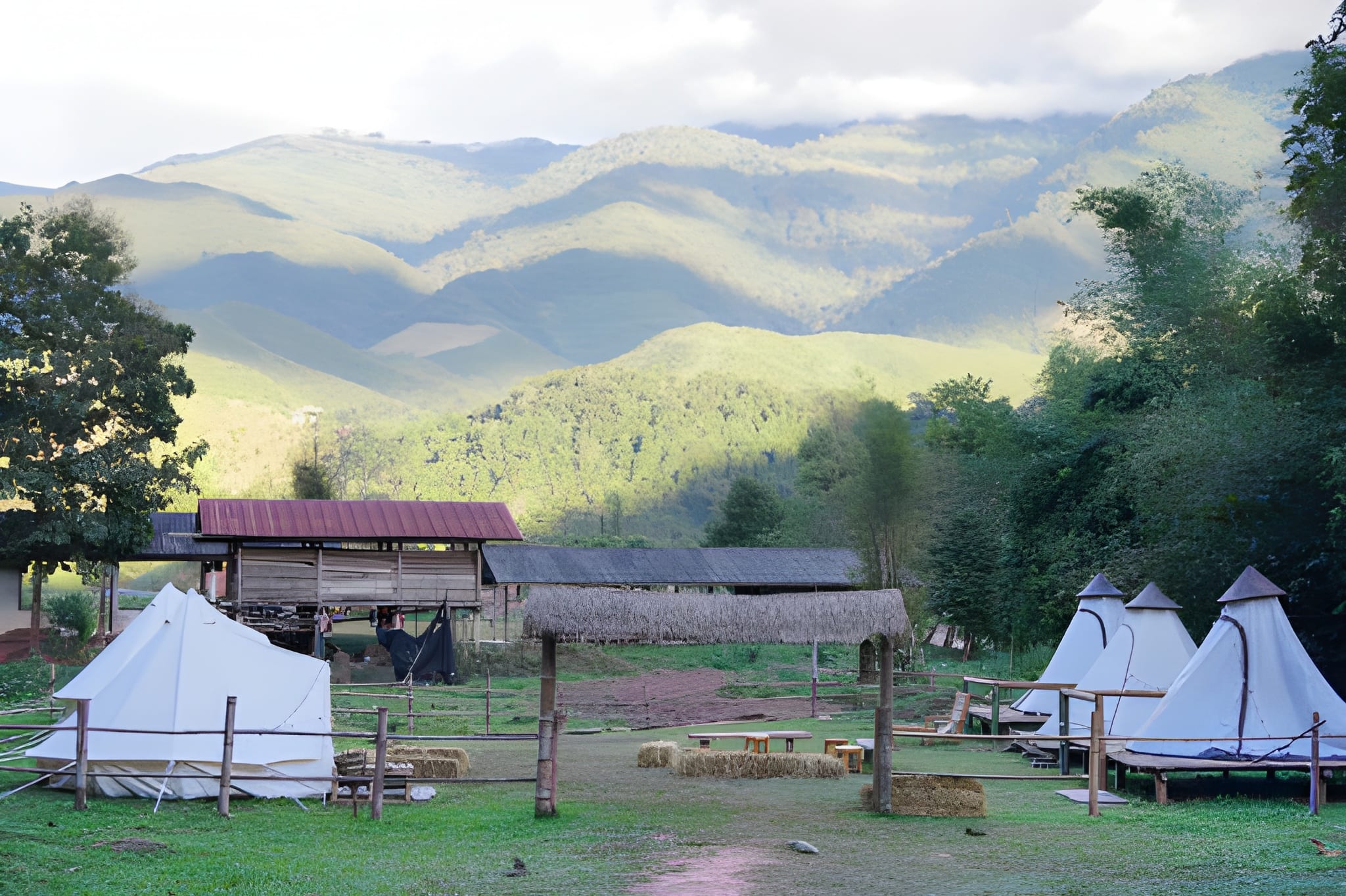
As cities expand, land near them becomes more valuable for possible non-agricultural conversion in the future, or simply for better access. Sustainability and options like farm stays or agro-tourism are also rising.
Risks to Keep in Mind
Legal and Regulatory Restrictions: In many states, non-farmers or non-agriculturists cannot buy farmland without permission. Zoning laws, land-use laws, and ceiling laws vary.
Title Disputes and Documentation Problems: Many land parcels have unclear records, disputes, missing mutation or land registry updates, and family inheritance issues.
Environmental Risks: Water scarcity, erratic rainfall, soil degradation, and climate change effects can reduce productivity or make farming costly.
Illiquidity: Selling farmland is much slower than selling flats or shops. Buyers may be fewer, and the process longer.
Benefits for Farmers
If you are a farmer or someone in agriculture thinking of investing in agri real estate, here are some concrete benefits.
Passive Income
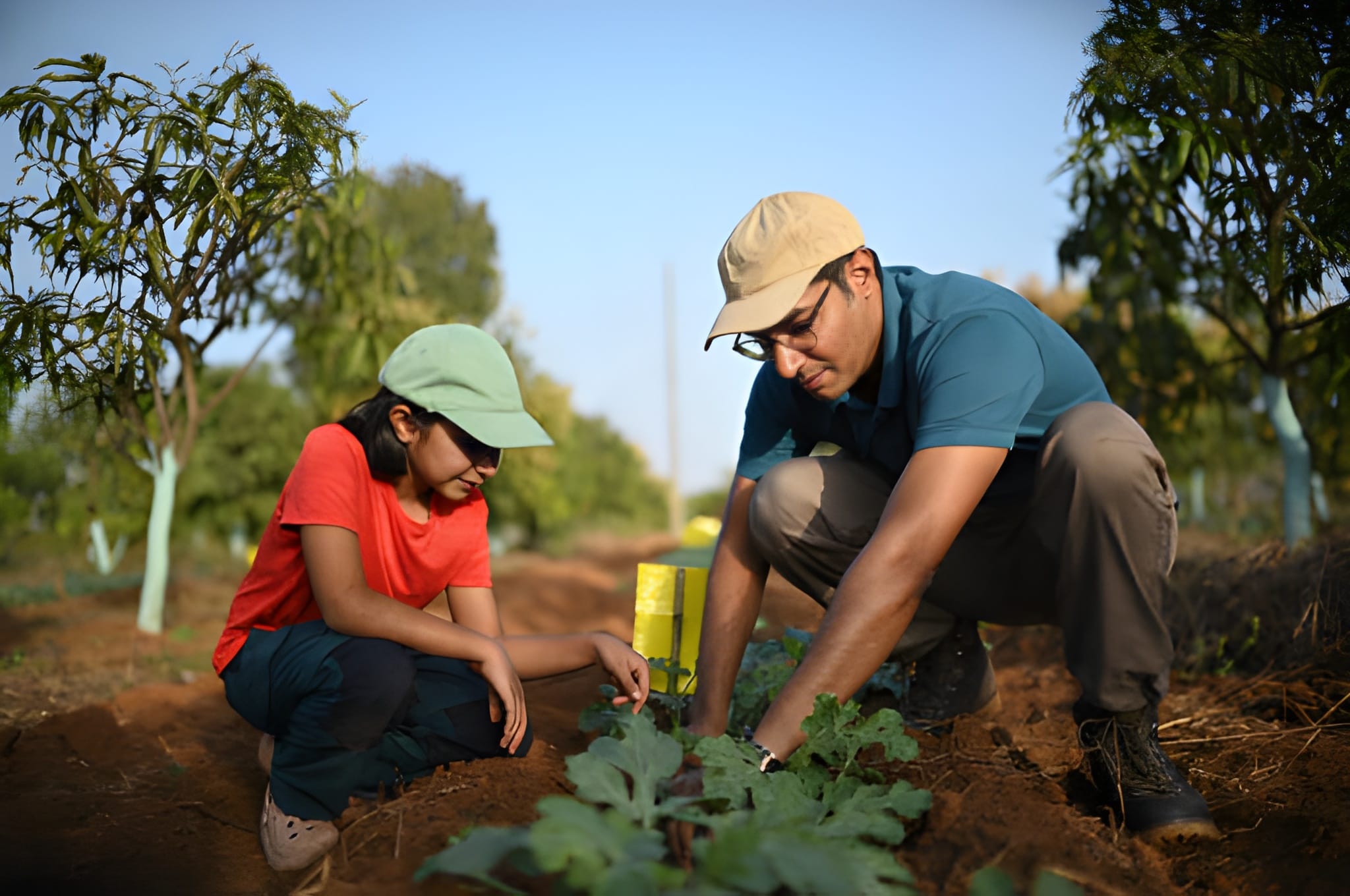
You might own land but not use all of it intensively. Leasing out parts to other farmers, renting for grazing, or developing agro-tourism can bring income even when you are not planting crops. This reduces pressure and risk in bad seasons.
Land Value Appreciation
Over time, land in good locations tends to become more valuable. Especially land near roads, near expanding towns or highways, or with good water supply and soil. Appreciation adds to wealth, even though you may not realize it till you sell or transfer.
Diversification
Instead of putting all savings into livestock, inputs, or just crop cycles, owning land gives you a solid asset. It works like a hedge: if crop yields drop one year, the value of land may still hold or increase. This reduces risk in your overall livelihood.
Security & Legacy
Land is something you pass down to children or family. It gives security. With proper planning, you can use the land for mixed income: some farming, some leasing income, perhaps agro-forestry, orchards, or other uses.
Conclusion
Investing in agricultural real estate is not for everyone. It requires patience, legal care, good selection of location, and awareness of risks like weather, regulatory issues, and management. But when done well, it offers a path to growth, stability, and security.
For sustainable development, we must think of community first. That means respecting farmland quality, ensuring farmers in the area benefit, avoiding land grabs, preserving water resources, and choosing practices that protect soil.
If you are considering investing in agri real estate, do your homework. Check documents carefully, meet local farmers, understand zoning laws, water access, and cost of upkeep. With the right mindset, agri real estate can unlock new avenues for growth — not only for you, but for your whole community.