.png)
Introduction
The modern world is moving toward conscious consumerism, where people want safe, chemical-free, and nutritious food. India, being a land of diverse agricultural practices, has embraced organic farming as a way to meet this growing demand. To support this, the Government of India has rolled out several schemes that provide farmers with the resources and knowledge required to shift to sustainable agricultural practices. These schemes not only enhance productivity but also protect the environment and improve long-term food security.
Support for Farmers
Government schemes for organic farming have a multi-dimensional approach. Farmers are provided subsidies and assistance to buy inputs like bio-fertilizers, natural compost, and eco-friendly pest management products. This reduces the heavy burden of spending on costly chemical fertilizers and pesticides. Certification support plays a vital role because certified organic produce carries a higher value in the market. Farmers are guided through the certification process, which gives them access to both domestic and export markets.
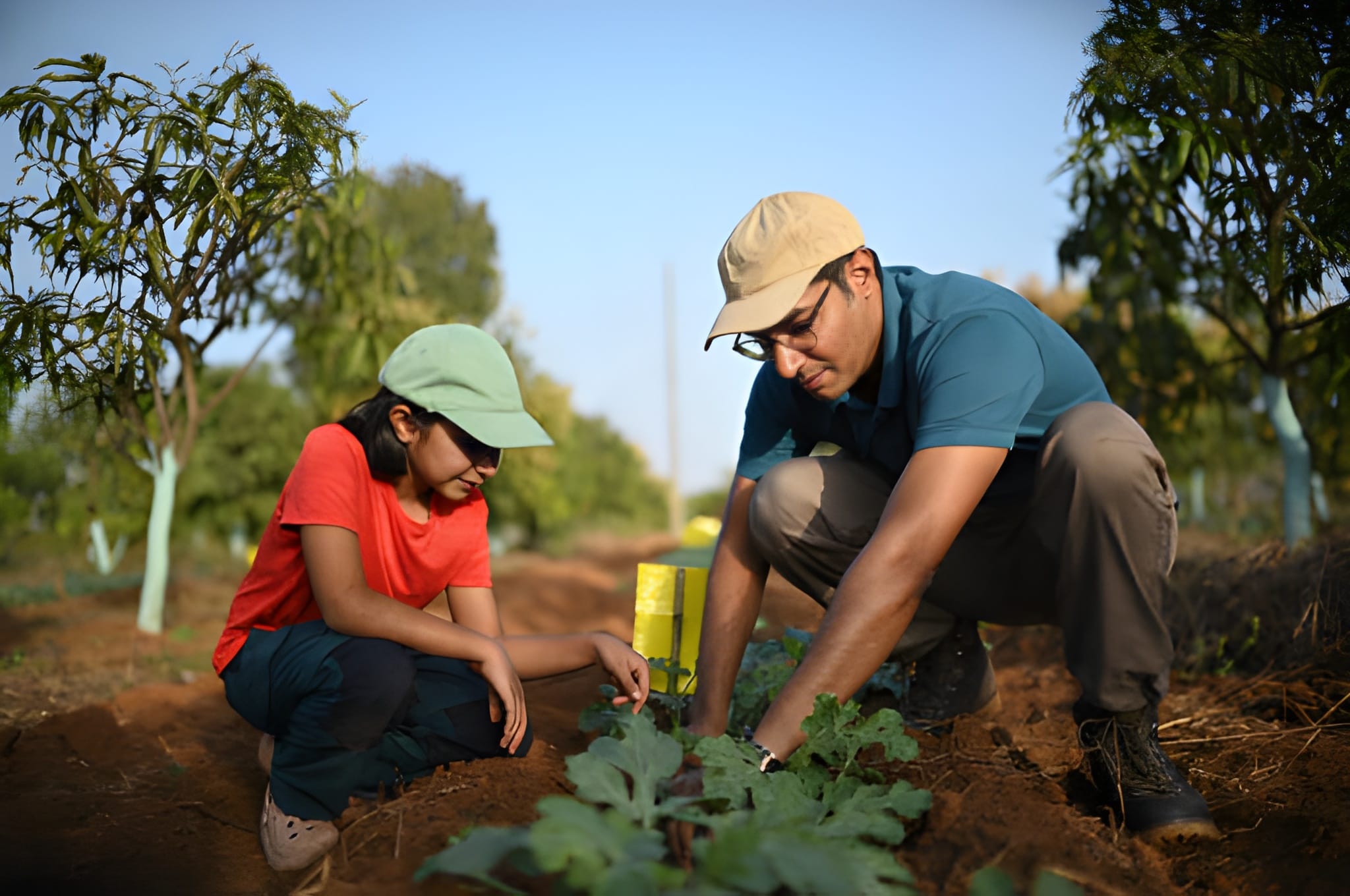
Another crucial component is training and awareness. Workshops and demonstration farms are set up to show farmers how to manage crops organically. These trainings cover aspects like soil fertility management, integrated pest control, composting methods, and organic certification standards. Beyond training, the government also ensures that farmers are connected with markets where they can directly sell their produce. Market linkages, farmer-producer organizations, and digital platforms help in creating strong supply chains for organic products.
Benefits of Organic Farming
Organic farming improves the overall health of agricultural land by increasing soil fertility and water retention capacity. Since it avoids harmful chemicals, it preserves biodiversity and contributes to environmental sustainability. For farmers, the shift means more than just sustainable practices—it ensures economic benefits as well. With growing consumer awareness, organic products are in high demand and command premium prices. Farmers practicing organic farming under these schemes have reported higher incomes, improved crop resilience, and better health for their families and communities.
Conclusion
Organic farming is no longer just a trend but a necessity for future generations. The government’s efforts in promoting these schemes are paving the way for India to become a global hub for organic produce. Farmers who adopt organic practices are not only contributing to a healthier nation but also securing their livelihoods in a more sustainable and profitable manner. These schemes are proof that sustainable agriculture and farmer prosperity can go hand in hand.