.png)
Introduction
Imagine leaving behind the rush of city life for a few days—waking up to roosters crowing, breathing in fresh air scented with earth and flowers, picking fruit at dawn, and watching fireflies dance among the trees. That’s the promise of agri retreats: immersive farm-stay experiences where visitors reconnect with nature, learn about sustainable farming, and participate in local rural life.
Globally, this trend is expanding rapidly. According to India’s Agrotourism Revolution: A Comprehensive Review (2024), the agrotourism market is projected to reach USD 62.98 billion by 2027, up from USD 42.5 billion in 2019. Rural tourism is no longer niche—it now sits at the intersection of ecology, wellness, culture, and livelihood.
In India, where agriculture sustains over half of the workforce directly or indirectly, agri retreats carry huge potential. They offer escape, education, and ethical tourism—allowing people to experience food at its source, understand soil health, and value biodiversity. Beyond this, they generate alternative incomes, revitalize villages, and build resilient communities.
Spotlight on Agrihar’s Gems: The Lilac Farm & Baap Beti Farm
At Agrihar, several retreats are shaping this new dawn. Among them, two standouts—The Lilac Farm and Baap Beti Farm—beautifully illustrate how sustainable practices and rural hospitality can blend.
The Lilac Farm
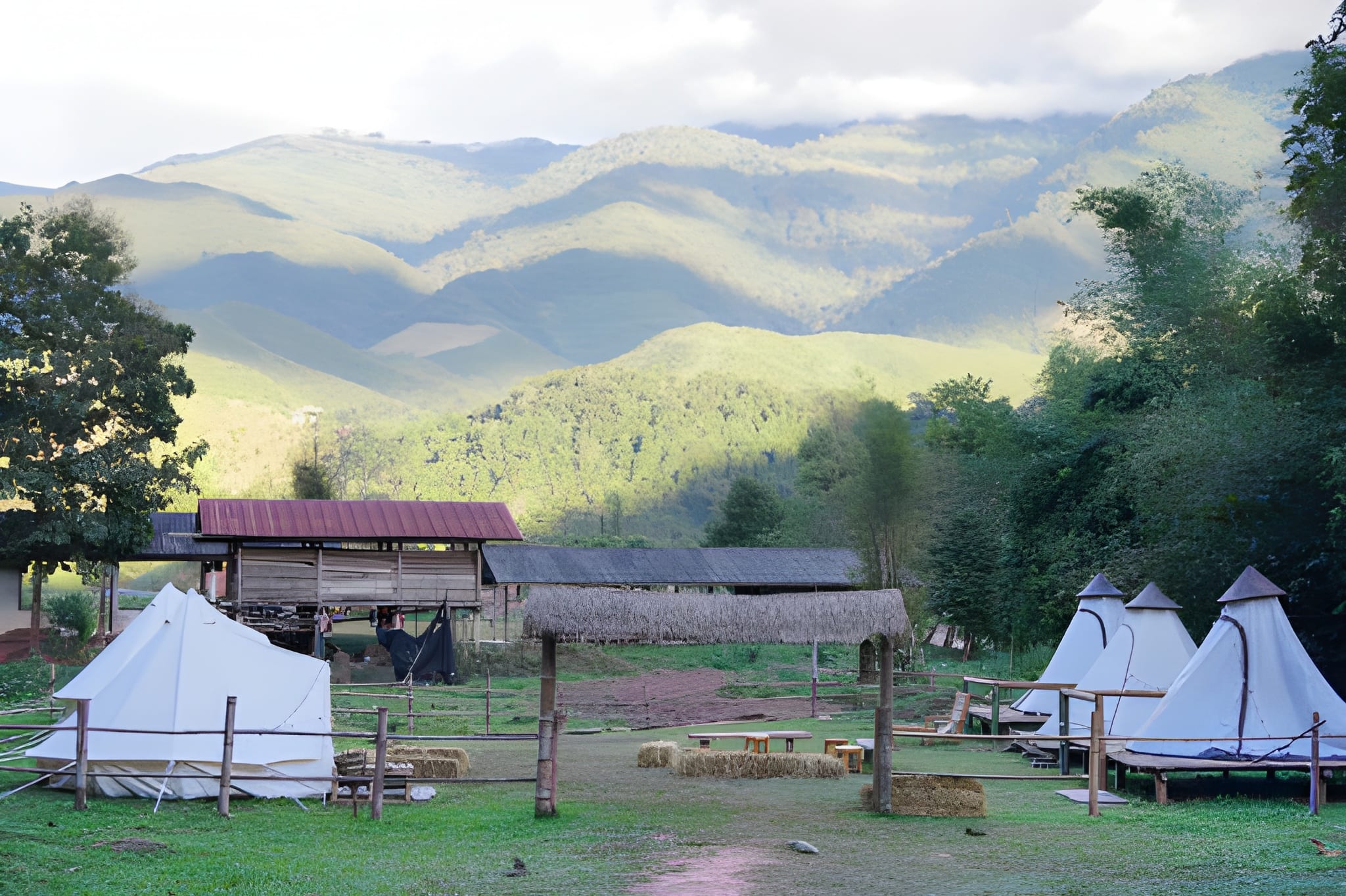
Located about an hour from Bangalore, near Somashettihalli, The Lilac Farm stretches across nearly thirteen acres. Its model is built on natural farming, seasonal native food, zero waste systems, and complete reliance on solar energy. Construction on the farm uses earthen materials and locally sourced stone, reinforcing its sustainable approach.
What makes The Lilac Farm unique is its commitment to animal rescue and rehabilitation, with over sixty rescued animals cared for on the property. It has also created a sanctuary for wildlife, promotes plant-based diets, and organizes yoga, wellness, school, and corporate retreats that help people disconnect from urban chaos. Guests walk through food forests, learn about soil health, join in harvests, and enjoy meals prepared from farm-fresh produce. Nights under the starlit sky add to the sense of peace and simplicity, making each stay an immersive journey of awareness and learning.
Baap Beti Farm
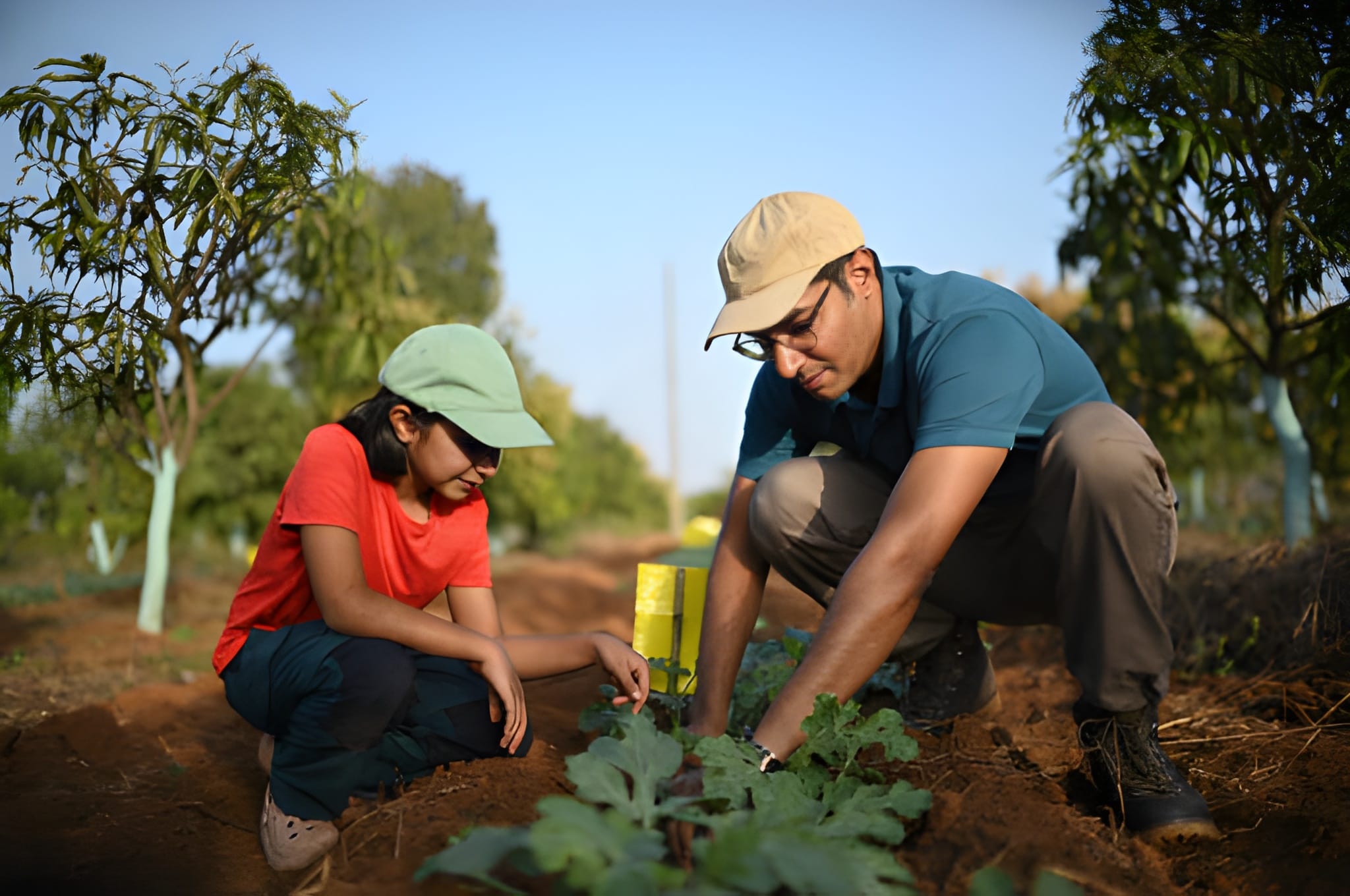
Near Pune, Maharashtra, Baap Beti Farm tells the inspiring story of a father-daughter duo, Anil and Sneha Rajguru. In 2022, they purchased barren land and transformed it into a thriving permaculture food forest. Today, they practice organic and natural farming that regenerates soil, integrates biodiversity, and reduces chemical inputs, creating a self-sustaining ecosystem.
The farm welcomes guests for overnight stays, farm tours, composting workshops, and hands-on harvesting activities. It also teaches the philosophy of minimal-footprint living. Beyond farming techniques, Baap Beti Farm is about reclaiming land, preserving heritage, and transforming human connections to food and soil.
Economic and Community Impact of Agri Retreats
Agri retreats are not just idyllic escapes; they create measurable economic and social transformation. For many farmers, income from crops is seasonal and unpredictable due to weather, markets, and input costs. Hosting guests, selling farm-fresh produce, and conducting workshops allow them to diversify income. For instance, Baap Beti Farm has reported generating as much as ₹80,000 a month from agri-tourism activities, which helps cover farming expenses, improve soil and water systems, and invest in infrastructure.
They also generate employment by requiring caretakers, guides, cooks, and maintenance staff, while giving local artisans opportunities to contribute through crafts, food, or construction. Training in hospitality, marketing, and sustainable practices not only benefits the hosts but also empowers guests who return with new skills and awareness.
On a community level, these retreats revive local crafts, traditional foods, and heritage farming methods, building pride and identity among villagers. Visitors who value these traditions provide validation to local communities, strengthening their cultural roots. Additionally, when tourists visit farms, their spending ripples out to nearby shops, transport services, and artisans. Studies on agri-tourism in Pune have confirmed that such retreats stimulate broader rural economies.
Environmental and Long-Term Resilience
The environmental impact of agri retreats is equally significant. Sustainable practices like permaculture, organic farming, and soil regeneration ensure healthier soils and protect water resources. Food forests and wildlife sanctuaries maintain biodiversity, while solar-powered, zero-waste retreats like The Lilac Farm set examples of how tourism can reduce its carbon footprint. In the long run, such retreats contribute to climate resilience by promoting conservation, carbon sequestration, and ecological awareness.
How You Can Support the Agri Retreat Movement
This movement thrives on collective participation. By planning a stay at retreats like The Lilac Farm or Baap Beti Farm, visitors directly support their work through bookings, local purchases, and engagement in farming activities. Sharing stories of these farms—whether on social media, blogs, or conversations—spreads awareness and draws more support.
Travelers can also make conscious choices by opting for retreats that use renewable energy, adopt zero-waste practices, and commit to humane animal care. Businesses, NGOs, and institutions have opportunities to collaborate through grants, workshops, and training initiatives. Even simple steps like buying local produce, volunteering, or supporting regional crafts make a difference in sustaining these models.
Conclusion
Agri retreats are more than a passing trend; they represent a pathway to reimagining agriculture, tourism, and rural livelihoods. They embody a future where farming thrives, communities are empowered, and travel becomes regenerative rather than extractive.
Every visit, workshop, and story shared contributes to building a sustainable ecosystem of farming and rural tourism. If you believe in a future where tourism heals rather than harms, now is the time to step in, support, and amplify this change.
The dawn of agri retreats has arrived—let’s walk this path together.