.png)
Introduction
Farming around the world is changing faster than many people realise. Consumers want cleaner, safer food. Cities need new ways to feed growing populations. Climate pressure means farms must use water and soil more carefully.
At the same time, new tools, sensors, drones, data apps, and indoor farms are helping farmers grow smarter and greener. These shifts are about sustainability, technology in agriculture, and innovation in agriculture, and they matter for Indian farms too.
Key Trends
1. Precision Agriculture: Farming with Smart Tools
Precision agriculture uses sensors, GPS, drones, and data to treat each part of a field differently not one-size-fits-all. This can cut waste (fertiliser, water, pesticides), save money, and often increase yields.
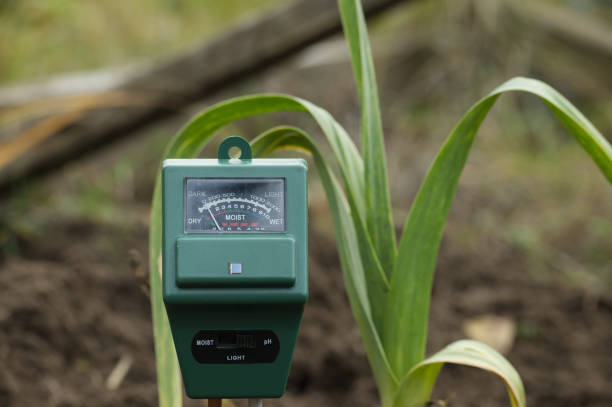
What farmers gain in practice includes better maps of soil and crop health, spot treatments instead of blanket spraying which reduces chemical use, and real-time advice on when to irrigate and where to reinforce nutrients.
Studies and reviews show that regular use of precision tools can reduce input use and improve yields. Drone spraying and targeted applications have cut chemical use and water in multiple field trials.
2. Vertical and Controlled-Environment Farming: Growing Up, Not Out
Vertical farms (hydroponics, aeroponics in stacked racks or indoors) grow food close to cities, use far less land, and cut water use dramatically.
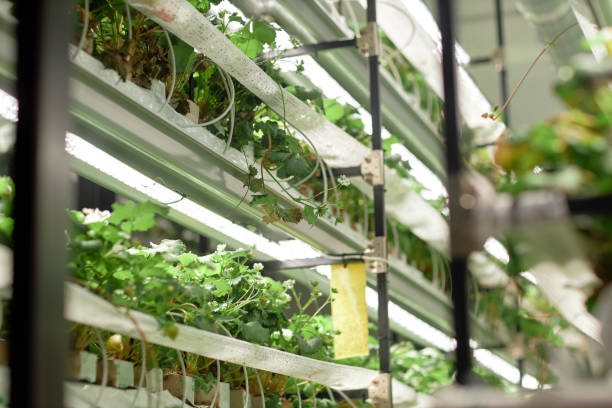
The sector is expanding quickly as urban demand for fresh produce rises. While start-up costs and energy use are concerns, new designs and local pilots are making small-scale indoor farms more viable for peri-urban entrepreneurs.
3. Regenerative Agriculture: Fix the Soil, Then Everything Improves
Regenerative farming focuses on rebuilding healthy soil using cover crops, crop rotations, compost, and minimal tillage. This improves water retention, boosts biodiversity, and stores carbon in the ground.
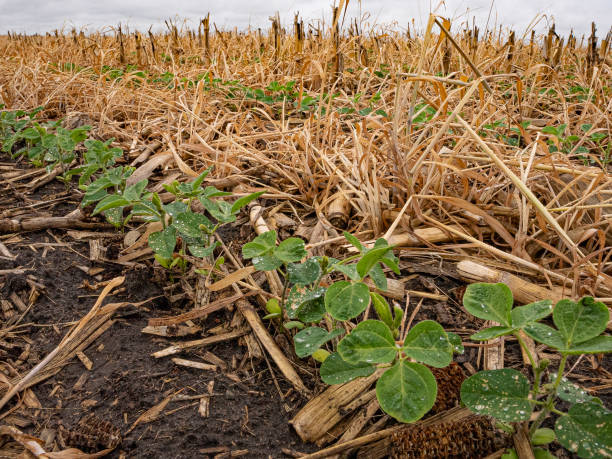
Big food companies and farm programs are measuring soil health and carbon. This makes regenerative methods both environmentally important and a potential future income source via carbon markets.
4. Digital Marketplaces & Agri-Tech Platforms: Better Markets, Faster Payments
Online marketplaces, farm-to-consumer platforms, and supply-chain tech are helping small farmers reach buyers directly, reduce middlemen, and get faster payments.

India’s agri-tech startup scene has grown rapidly. New apps and platforms offer advisory services, inputs and logistics, and direct market access. These platforms are becoming a major route for farmers to scale up and stabilise income.
Why These Trends Matter for Indian Farming
Agriculture still plays a critical role in India’s economy and employment. It contributes a sizable share of GDP and employs a large portion of the population.
This unique mix big social footprint plus smaller GDP share — means Indian agriculture needs higher productivity and new income sources.
With rising global investment in agri-tech and green farming, more tools and partnerships are available for farmers who want to upgrade.
Practical Ideas You Can Use
A. Start Small with Precision Tools
Soil sensors and mobile apps can be rented or pooled with other farmers to share costs and data. These give quick wins like smarter irrigation and fertiliser use. Drone services on a pay-per-use basis are another option. Instead of buying drones, local operators can be hired for mapping and targeted spraying. Trials show major reductions in chemical and water use with precise application.
B. Explore Small Vertical or Controlled-Environment Units
Even a few racks in a shed can supply nearby towns or cities with high-value greens year-round. Energy and setup are the main costs, so starting small and expanding gradually is the best approach.
Industry reports show vertical farming is becoming more affordable at micro scales.
C. Adopt Regenerative Practices That Pay Back
Cover crops, composting, no-till, and mixed cropping improve soil moisture and reduce fertiliser needs over time. Some programs measure soil carbon, opening future payments for carbon storage. Large food companies and development programs are already supporting farms that adopt these methods.
D. Use Digital Marketplaces and Farmer Networks
Joining or creating farmer collectives that sell under a shared brand or using agri-tech platforms to access urban buyers directly brings several advantages. Transport costs are reduced, prices are better, and digital records are maintained for certification and premium markets.
Risks and How to Reduce Them
Upfront Cost & Skills
New tools cost money and require training. The solution is to start with shared services and stepwise learning.
Energy Use (Vertical Farms)
High energy costs can be a barrier. The solution is to use energy-efficient systems and explore solar hybrid setups.
Market Access
New crops or premium labels can fail without buyers. The solution is to lock in purchase agreements with restaurants, retailers, or subscription customers before scaling.
Conclusion
Global trends like precision agriculture, vertical farming, regenerative methods, and digital marketplaces are pushing farming toward higher sustainability and smarter technology.
Small experiments today can lead to stronger incomes, healthier soils, and a more resilient local food system exactly what India needs.